What Are Refinance Rates and How Do They Differ From Purchase Rates
Refinance rates are the interest rates lenders offer when you replace your existing home loan with a new one. They are often slightly higher than purchase rates because refinance loans are riskier for lenders. When you refinance, the lender loses the original loan's lien position, and you may be perceived as a higher risk if you are refinancing to reduce your payment due to financial strain. However, high-credit-score borrowers may see similar rates to purchase loans.
The rate you receive depends on your credit score, loan-to-value ratio, debt-to-income ratio, and the type of refinance you choose. Unlike purchase loans, refinance rates are not tied to a home sale, so the lender evaluates the risk based solely on your financial profile and the property's equity.
- Refinance rates are typically higher than purchase rates due to added risk.
- Your credit score and home equity heavily influence the rate you get.
- Rate-and-term refinances often have lower rates than cash-out refinances.
Sources: Experian
Current Refinance Rate Trends (August 2026)
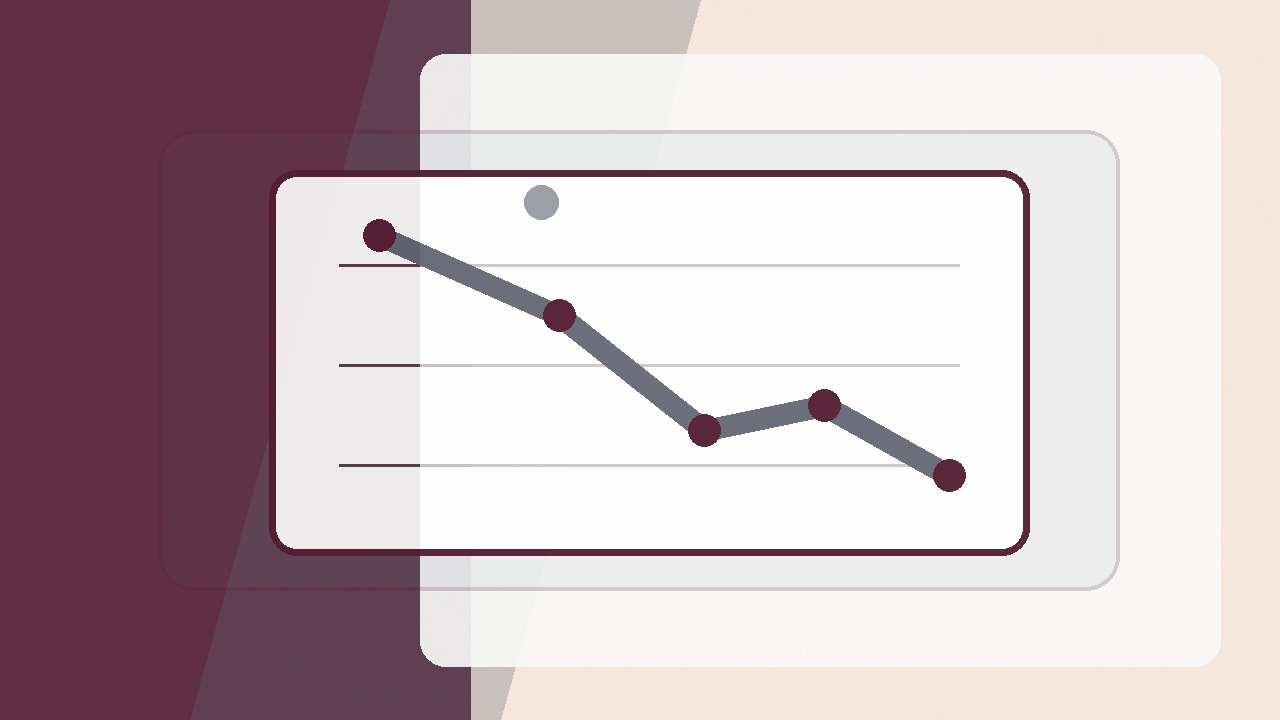
Refinance rates have been fluctuating in 2026, with different sources reporting slightly different averages depending on their data collection methods and dates. As of late August 2026, Forbes Advisor reported the average 30-year fixed refinance rate at 6.76%, down from 7.01% in mid-July (Experian). The 15-year fixed refinance rate was 5.84% in late August, compared to 5.64% in July. Bankrate's national average APR for a 30-year fixed refinance was 6.91% on July 30, 2026, while LendingTree reported 7.02% in June.
These variations highlight the importance of shopping around. Rates change daily and depend on your personal financial profile, so use these national averages as a baseline, not a quote.
| Loan Type | Source | Date | Average Rate |
|---|---|---|---|
| 30-year fixed | Experian (Curinos) | July 2026 | 7.01% |
| 30-year fixed | LendingTree | June 2026 | 7.02% |
| 30-year fixed | Bankrate (APR) | July 30, 2026 | 6.91% |
| 30-year fixed | Forbes Advisor (Mortgage Research Center) | Aug 24, 2026 | 6.76% |
| 15-year fixed | Experian (Curinos) | July 2026 | 5.64% |
| 15-year fixed | LendingTree | June 2026 | 6.44% |
| 15-year fixed | Bankrate (APR) | July 30, 2026 | 6.27% |
| 15-year fixed | Forbes Advisor (Mortgage Research Center) | Aug 24, 2026 | 5.84% |
Sources: Experian, LendingTree, Bankrate, Forbes Advisor
How to Calculate Your Refinance Break-Even Point
The break-even period is the time it takes for your monthly savings from a lower interest rate to cover the upfront costs of refinancing. To calculate it, divide the total refinancing costs by the monthly savings on your mortgage payment. The result is the number of months you need to stay in the home to start truly saving money.
Common refinance closing costs include application fee, origination fee, appraisal fee, title search, and recording fees. These costs typically range from 2% to 6% of the loan amount or principal, depending on the source. Understanding these fees is essential when calculating your break-even point.
If you plan to move before that time, refinancing may not be worth it.
- Break-even = total refinancing costs ÷ monthly payment savings.
- Typical refinancing costs range from 2% to 6% of the loan amount or principal.
- Common costs include lender fees, appraisal, title search, and recording fees.
- If you plan to sell before the break-even period, refinancing may not pay off.
Sources: Federal Reserve Board, LendingTree, Bankrate, Zillow
Factors That Affect Refinance Rates
Several factors influence the refinance rate you are offered. Your credit score is one of the most important—lenders generally require a score of at least 620, but higher scores (700+) typically qualify for better rates. Your debt-to-income (DTI) ratio also matters; lenders generally require it to be below 43%, though some may allow higher with compensating factors. Home equity is another key factor: most borrowers need at least 20% equity to get the best rates, but a rate-and-term refinance may be possible with less.
The type of refinance also affects rates. Cash-out refinances generally have slightly higher interest rates than rate-and-term refinances because you are increasing your loan balance. Market conditions, such as the 10-year Treasury note yield, also influence rates—lenders use this as a benchmark.
- Credit score: Minimum 620, but higher scores get better rates.
- Debt-to-income ratio: Generally must be below 43%.
- Home equity: At least 20% for best rates, but less may be allowed.
- Loan type: Cash-out refinances often carry higher rates than rate-and-term.
- Market benchmark: The 10-year Treasury yield influences mortgage rates.
Sources: Experian
When Refinancing Makes Sense: Scenarios
Refinancing is not a one-size-fits-all decision. The general rule of thumb is that it makes sense if you can lower your rate by at least 1%, but a smaller drop may still be beneficial depending on costs and how long you plan to stay. If your current mortgage rate is above 7% and you can get below that, refinancing may be worth exploring.
You should also consider your timeline. If you plan to move in the next few years, the savings may not exceed the costs, so refinancing might not be a good idea. On the other hand, if you plan to stay for many years and can lower your payment or shorten your loan term, refinancing could save you money over time.
- Lower your rate by at least 1%: a common rule of thumb, but not a strict requirement.
- Current rate above 7%: worth exploring refinancing.
- Plan to stay in the home: the break-even period must be shorter than your expected stay.
Sources: Federal Reserve Board, Bankrate, NerdWallet
Steps to Get a Good Refinance Rate
Getting a good refinance rate involves preparation and shopping around. Start by checking your credit score and improving it if needed, since a higher score can qualify you for better rates. Gather your financial documents, such as income statements, tax returns, and debt information, to speed up the application process.
Next, compare offers from multiple lenders—mortgage brokers, banks, credit unions, and online lenders. Look at the APR, which includes fees, to get a true apples-to-apples comparison. Many lenders allow you to lock in a rate once you apply, protecting you from market fluctuations during the process.
Finally, be aware of the timeline: refinancing can be done in as little as 45 to 60 days, but it varies by lender and loan type. You may be able to refinance as soon as six months after starting your mortgage, though some lenders require a 12-month wait.
- Check and improve your credit score.
- Gather financial documents (income, assets, debt).
- Shop around and compare offers from multiple lenders.
- Compare APRs, not just interest rates.
- Consider rate locks if rates are favorable.
- Review the loan estimate and closing costs before finalizing.
Sources: Experian, Forbes Advisor, Chase
Frequently asked questions
What is a good refinance rate?
A good refinance rate is one that is significantly lower than your current rate and makes financial sense after accounting for closing costs. As of late August 2026, national averages were around 6.76% for a 30-year fixed refinance and 5.84% for a 15-year fixed, but a good rate for you depends on your credit score, equity, and loan type. Some experts suggest targeting at least a 1-percentage-point reduction, but a smaller drop can still be worthwhile if you plan to stay in the home long enough to break even.
Sources: Forbes Advisor, NerdWalletHow much does refinancing cost?
Refinancing costs typically range from 2% to 5% of the loan amount, according to LendingTree and Zillow, though the Federal Reserve cites 3% to 6% of the outstanding principal. These costs include lender fees, appraisal, title search, and other closing costs. Always review the Loan Estimate to see the exact fees.
Sources: Federal Reserve Board, LendingTree, ZillowHow long does refinancing take?
Refinancing can be completed in as little as 45 to 60 days, but the timeline varies by lender and loan type. Some factors that can extend the process include appraisal delays, underwriting backlogs, and how quickly you provide documentation. You can often refinance as soon as six months after your original mortgage, though some lenders require a 12-month wait.
Sources: Forbes AdvisorCan I refinance with bad credit?
Most lenders require a minimum credit score of 620 to refinance, but with bad credit (typically below 620) you may have difficulty qualifying or may face higher interest rates. Some loan programs allow lower scores, but they often come with higher costs. If your credit score is below 620, it may be worth waiting and improving your score before applying to get better rates.
Sources: ExperianSources
- A Consumer's Guide to Mortgage Refinancings — Federal Reserve Board
- Compare Current Mortgage Refinance Rates — Experian
- Compare Mortgage Refinance Rates Today | LendingTree — LendingTree
- Current Refinance Rates - Compare Rates Today | Bankrate — Bankrate
- Current Mortgage Refinance Rates: August 24, 2026 – Rates Show Mixed Movement — Forbes Advisor
- Refinance Rates Today - Browse Refinance Mortgage Rates | Zillow — Zillow
- Today’s Refinance Mortgage Rates | Rates Chart - NerdWallet — NerdWallet
- Today's Mortgage Refinance Rates | Chase — Chase